Research & Innovation
GLP-1 Agonists & Healthspan
You've probably heard of Ozempic. Maybe Mounjaro. But what most people don't realize is that we may be standing at the beginning of one of the most significant breakthroughs in modern medicine — and weight loss is just the smallest part of the story.
GLP-1 medications are showing up in research across almost every major disease category. Heart protection. Kidney function. Liver inflammation. Brain health. Early signals in Alzheimer's, Parkinson's, and addiction science that have the research community genuinely paying attention. This isn't wellness trend territory. This is active clinical investigation — and the findings are changing how we think about what these drugs actually do.
Our laboratory is at the center of that work. Through clinical studies and long-term outcome research, we're not just tracking what GLP-1 therapies do — we're working to understand how to use them most precisely, most safely, and most effectively for the people in front of us.
If you want to understand what the science actually says — not the headlines, not the hype — you're in the right place.
Want the full picture?
We've put together a free comprehensive report covering the latest in GLP-1 science: current clinical studies, the full range of emerging indications, what the data shows, and where the research is headed. To request your free copy, send us a note on LinkedIn.
See full list of topics covered below.

GLP-1 Landscape: Updated Topics

METABOLIC SCIENCE
The Hormone That Rewired Medicine
Science behind how the Incretin hormone released from intestinal L-cells enhances glucose-dependent insulin secretion, suppressing glucagon, slowing gastric emptying, and promoting satiety, and myriad of other functions

DIABETES
The Drug Class That's Rewriting What We Thought Was Possible With Diabetes
New lab data indicates that GLP-1 signaling significantly enhances insulin secretion, while preserving pancreatic beta-cell function and reduces cardiovascular risks

WEIGHT REGULATION
GLP-1 and Obesity: Rethinking Weight Regulation
An analysis of how GLP-1 therapy is shifting medical understanding from willpower-based weight loss to biological regulation.

HEART HEALTH
Cardiac Resilience and Inflammation
Exploring the role of GLP-1 in reducing systemic vascular inflammation and its long-term impact on cardiovasvular resilience.

BRAIN HEALTH
GLP-1 Impact on Synaptic Plasticity
Observations from recent trials suggest that GLP-1 therapy may actively support the repair of synaptic connections in early neurodegeneration.

KIDNEY DISEASE
Protective Mechanisms in Renal Health
New longitudinal studies reveal how GLP-1 receptor activation significantly reduces biomarkers of kidney stress in chronic patients.

LIVER HEALTH
Managing Hepatic Steatosis and Inflammation with GLP-1
Phase II data indicates promising outcomes in reversing fat accumulation in the liver through specialized GLP-1 receptor activation.

NUTRITION SCIENCE
Protein Partitioning During GLP-1 Therapy
New clinical guidelines on nutrient intake and macro-partitioning to optimize results and minimize side effects in long-term therapy.

FUTURE OUTLOOK
Next-gen Incretin Mimetics Roadmap
A look into the pipeline of upcoming molecules that aim to refine incretin signaling for even more targeted health interventions.
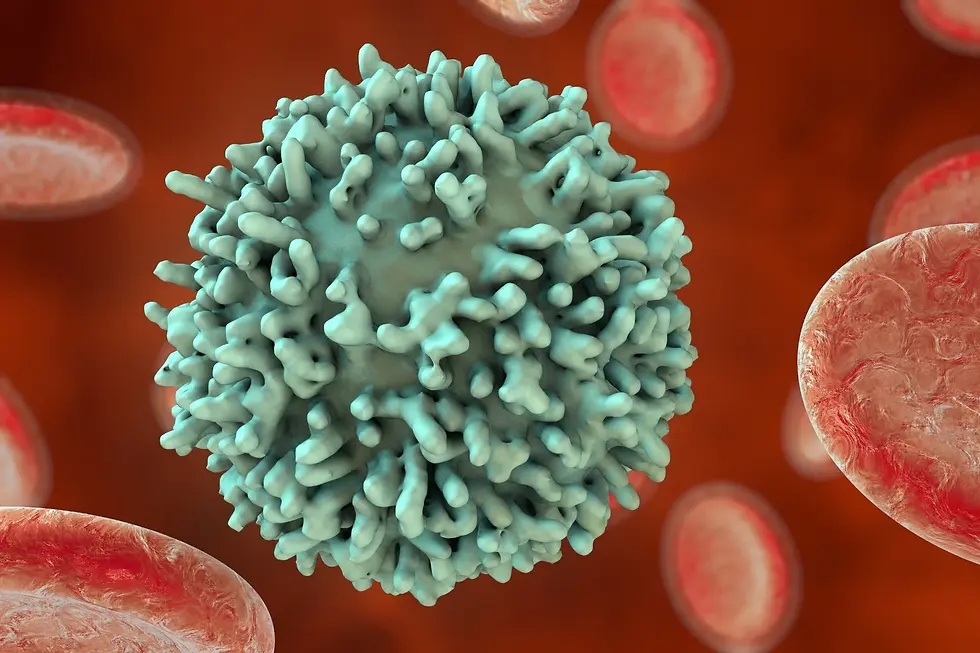
AUTOIMMUNE HEALTH
Emerging GLP-1 Use for Autoimmunity
A look at how GLP-1 pathways may influence autoimmune disease activity, inflammation, and long-term immune balance.

SAFETY DATA
GLP-1 Safety and Side Effects: What the Data Really Shows
A comprehensive review of the long-term safety profile of GLP-1 agonists based on meta-analysis of recent clinical outcomes.

NEUROBEHAVIOR
GLP-1 and Addictions: Exploring Neurophysiology
Emerging studies on how GLP-1 influences dopamine-driven reward centers, potentially offering new avenues for addiction treatment.